
A tool that’s 100 times cheaper doesn’t capture the market by accident. It needs 18 months and a real forcing function. That function arrived when Uber exhausted its annual AI budget in the first four months of 2026 and had to find cheaper inference (HelloChinaTech, 2026).
From Under 2% to 61% in 18 Months
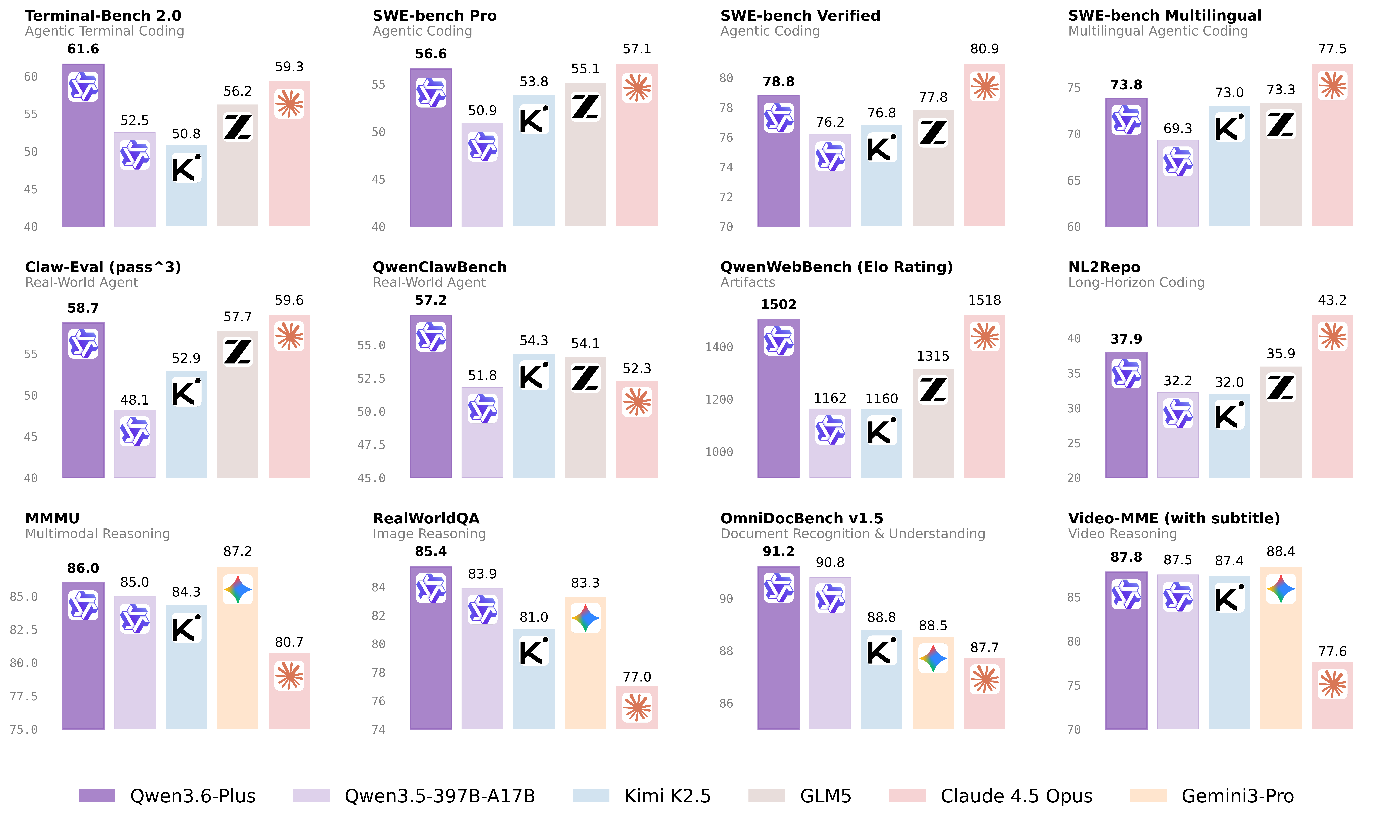
At the end of 2024, Chinese-built AI models accounted for less than 2% of token traffic on OpenRouter - the developer hub that routes API calls across hundreds of models. By April 2026, that share had climbed to 61%.
This wasn’t one model winning. It was an entire ecosystem taking over. DeepSeek, Alibaba Qwen, Tencent Yuanbao, Moonshot AI, Xiaomi - seven of the ten most-used models globally are now Chinese-built (HelloChinaTech, 2026). Weekly token volume across these models hit 25 trillion - a 5x increase in just six months.
The driver is price. DeepSeek’s cached input rate sits at RMB 0.025 per million tokens - approximately 1% of Anthropic Claude’s comparable input cost (HelloChinaTech, 2026). That’s not a competitive discount. That’s a 100x arbitrage.
The result: enterprises globally are rerouting workloads not out of political preference, but because inference costs are now a real line item. And when costs are real, purchasing decisions move fast.
July 15: Beijing Restricts What It Built
On July 15, 2026 - exactly one week from today - China’s new Interim Measures for the Administration of AI Anthropomorphic Interactive Services take effect, co-issued by the Cyberspace Administration of China and four partner agencies.
ByteDance has notified Doubao users that all agent features will go offline on that date. Alibaba Qwen issued identical alerts. Tencent Yuanbao followed. Doubao alone has 345 million users (TechTimes, 2026).
The regulation requires companion AI platforms to run anti-addiction systems, detect “unhealthy dependence” in real time, and provide instant-exit mechanisms for users. Those requirements are structurally incompatible with how agents work - persistent memory, continuous relationship context, deep personalization. Agents do exactly what the law prohibits.
User agent data will be permanently deleted on October 15, 2026. No recovery after that date.
The Bigger Signal: Overseas Access Under Review
On July 7, The Next Web reported that Beijing is weighing restrictions on international access to China’s top AI models. No official decision has been announced, but the sourcing is specific enough to be taken seriously.
If implemented, the entire cost advantage that international teams have been banking on disappears overnight - with no guaranteed 30-day notice.
The pattern is familiar. China’s AI governance trajectory mirrors what played out with TikTok: rapid global growth, then regulatory pressure from both directions. Washington restricts from outside. Beijing controls from inside. International users sit between two policy environments neither of which they influence.
What This Means for Vietnam and Southeast Asia
Vietnam sits in an interesting position. Politically close to China, but its March 2026 AI Law pushes toward data localization for services above certain scale thresholds - a framework that implicitly favors domestic or neutral-jurisdiction vendors over Chinese ones.
Many Vietnamese businesses and agencies have integrated DeepSeek or Qwen into workflows for the obvious reason: cost. The 99% price difference is real. For startups and SMEs running tight budgets, it was a rational call.
But July 15 is now a live case study. If Beijing can effectively shut down agent features for 345 million users on ten days’ notice, any production workflow built on those models carries the same policy exposure. The question isn’t whether to use Chinese AI. The question is: if access is restricted overnight, how long until your workflow recovers?
If the answer is “not sure” - that’s what to fix before it becomes urgent.
NateCue's Take
Chinese models didn't win on quality. They won because Uber burned through its annual AI budget in four months and needed something cheaper. Cost is the actual driver - not benchmark scores. But here's the trap many teams are walking into: building production workflows on the cheapest vendor without auditing policy risk. The July 15 deadline is not abstract - it's a live test of what happens when Beijing decides a product feature conflicts with regulation. For teams in Vietnam, Southeast Asia, or anywhere that's been routing workloads to DeepSeek or Qwen to cut inference costs, the question is simple: if access is restricted overnight, how long does your workflow stay broken? Vendor diversification is not a geopolitical stance. It is basic operational hygiene.